Music And Its Role In The Civil Rights Movement
Music played a central role in the Civil Rights Movement, serving as a tool of resistance, unity, communication, and hope. Long before social media or mass digital platforms, music carried messages that mobilized communities, strengthened courage, and gave a collective voice to the struggle for equality and justice.


Music as a Voice for the Voiceless
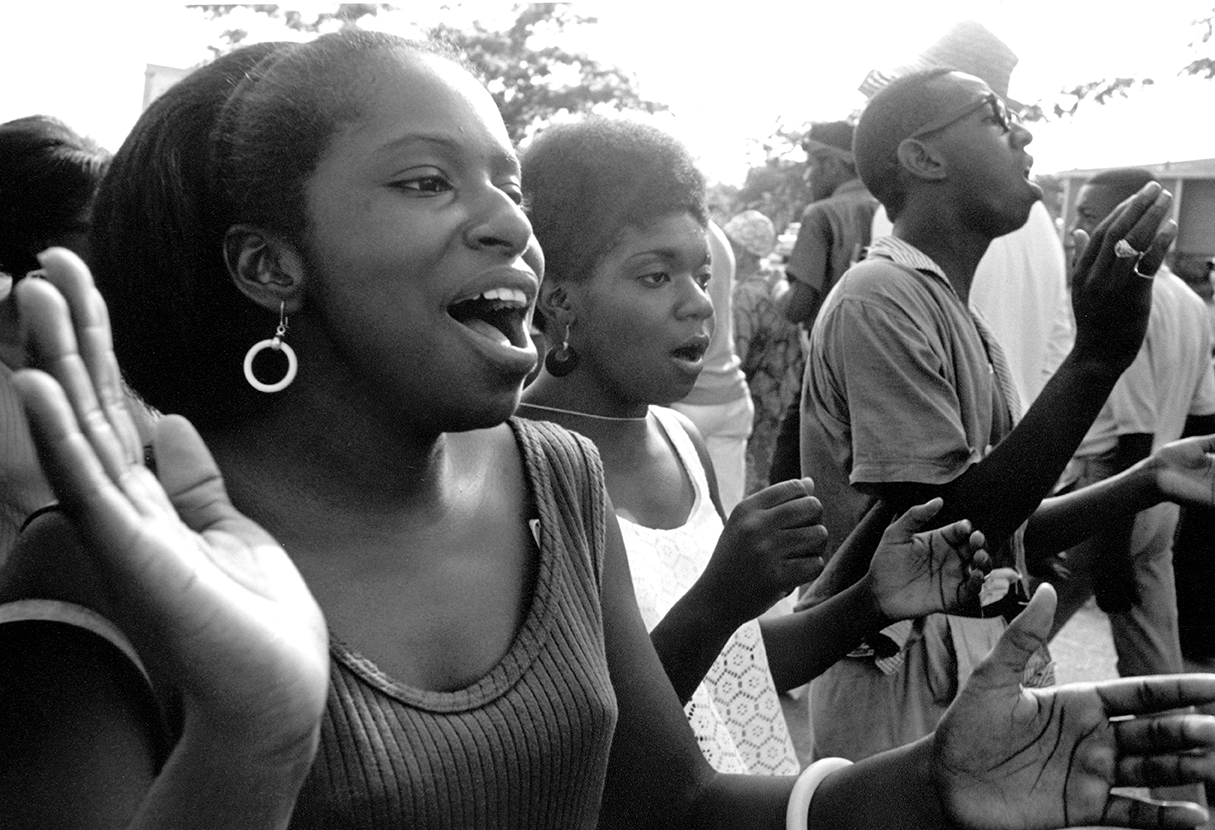
During the 1950s and 1960s, African American communities faced systemic racism, segregation, and violence. Music became a powerful way to express emotions that could not always be spoken openly—pain, resilience, faith, and determination.
Songs were sung in churches, on marches, in jail cells, and at mass meetings. They transformed fear into strength and helped individuals feel part of something larger than themselves.
Freedom Songs and Collective Strength
Many of the most influential songs were adapted from spirituals and gospel music, traditions already deeply rooted in Black history. These “freedom songs” were easy to learn, emotionally powerful, and designed to be sung together.
Lyrics often changed depending on the situation, making the songs flexible tools for protest and solidarity. Singing together reinforced unity and reduced fear during confrontations with police or violent opposition.
Gospel, Soul, and Protest Music
Artists used different musical styles to support the movement:
-
Gospel reinforced faith and moral strength
-
Soul expressed dignity and emotional truth
-
Folk and protest music delivered clear political messages
Figures like Martin Luther King Jr. understood music’s power and often relied on it to energize crowds before and after speeches. Gospel singers such as Mahalia Jackson were not just performers—they were movement leaders in sound.
Artists Who Shaped the Sound of Change
Several musicians created songs that became anthems of the era:
-
Sam Cooke – A Change Is Gonna Come captured both suffering and hope
-
Nina Simone – used music to express anger, pride, and resistance
-
Bob Dylan – wrote protest songs that crossed racial and cultural boundaries
These artists helped bring the realities of the movement to a wider national and international audience.
Music as Nonviolent Resistance
Singing during protests was itself an act of nonviolent resistance. Music kept demonstrators calm, focused, and disciplined in the face of brutality. It also humanized the movement to the public, countering narratives that painted protesters as dangerous or disorderly.
In many cases, music spoke louder than slogans—it carried emotion, faith, and moral authority.
Lasting Impact on Modern Music and Activism
The legacy of Civil Rights music lives on today. Modern hip-hop, soul, R&B, and protest music continue to address inequality, injustice, and identity. Artists still use music as a platform to challenge power and inspire change, following the path laid by earlier generations.
Music remains one of the most effective ways to connect personal experience with collective action.
Conclusion
In the Civil Rights Movement, music was more than background sound—it was a weapon of peace, a source of courage, and a unifying force. It helped people march forward when words alone were not enough.
The songs of that era remind us that music can move hearts, shape history, and turn hope into action.
If you want, I can:
-
Adapt this post for education or school websites
-
Rewrite it in a shorter or more academic version
-
Connect it to modern protest music and hip-hop culture
Related posts
How To Improve Your Rap Voice
How to Improve Your Rap Voice Improving your rap voice is a mix of technique, conditioning, and artis …

Techniques To Get Perfect Vocals
Techniques To Get Perfect Vocals Perfect vocals don’t come from plugins alone—they come from preparat …