A great vocal mix doesn’t happen by accident. It’s the result of precision, restraint, and understanding how vocals sit inside a track. Whether you’re mixing rap, reggaetón, pop, or R&B, these sound secrets will help you achieve vocals that feel clear, powerful, and professional—without overprocessing.

1. Start With a Clean Recording
The best mixes begin at the source.
-
Record in a controlled environment with minimal room noise
-
Use proper mic distance and consistent performance
-
Avoid clipping—headroom is essential
No plugin can fully fix a bad recording. Clean input = clean mix.
2. Balance Comes Before Effects
Before touching any plugins, set your levels.
-
Lower the instrumental first
-
Bring the vocal up until it feels present, not dominant
-
Check balance at low volume
If the vocal works without effects, the mix is already strong.
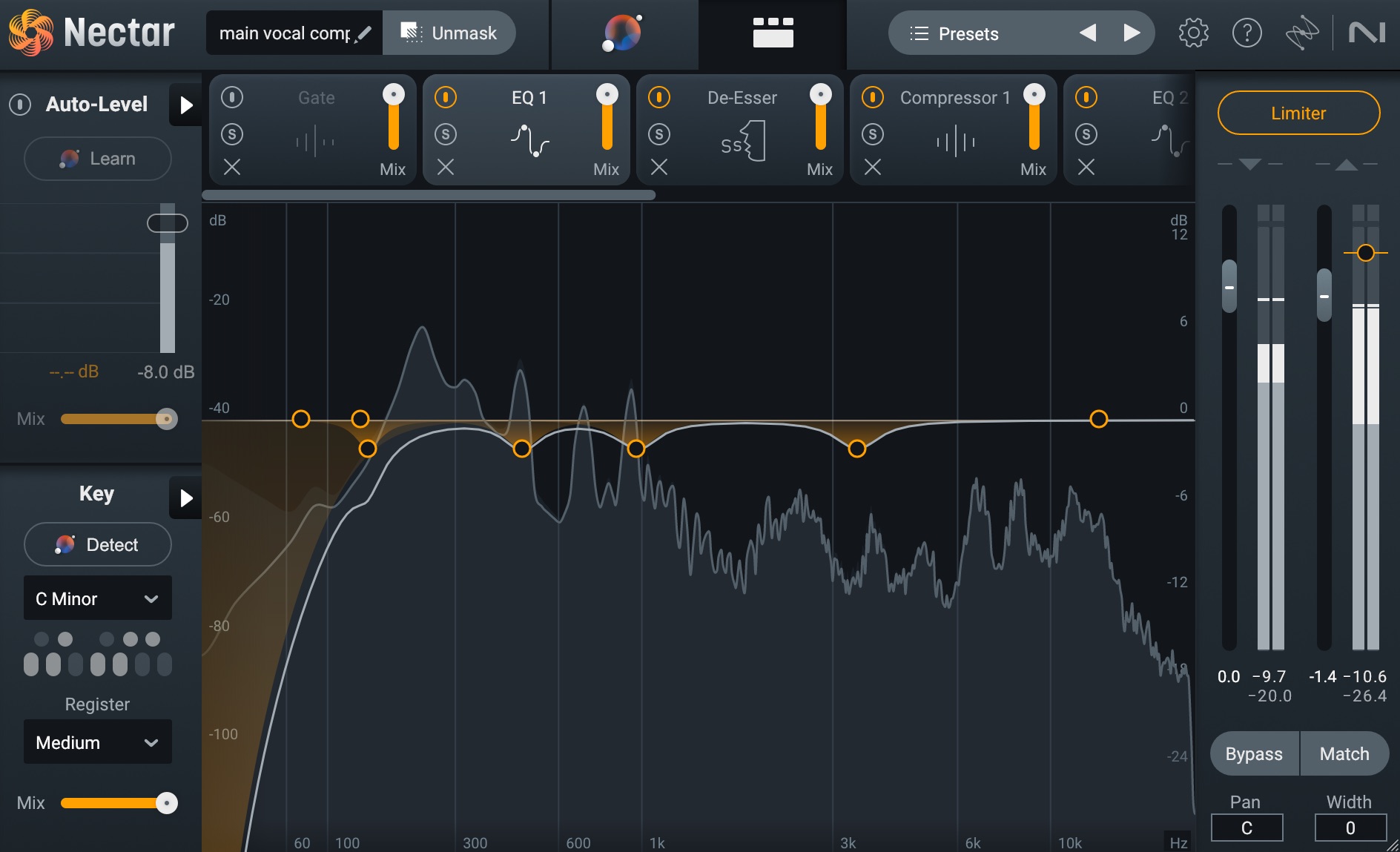
3. EQ: Cut Before You Boost
EQ is about space, not hype.
-
High-pass filter to remove unnecessary low frequencies
-
Cut muddy areas (usually low-mids) before adding brightness
-
Boost gently—small moves make big differences
The goal is clarity, not harshness.
4. Compression: Control, Don’t Crush
Compression shapes consistency and energy.
-
Use light compression first to smooth dynamics
-
Add a second compressor if needed for control
-
Listen for movement, not pumping
A well-compressed vocal feels steady but still alive.
5. De-Essing for Smoothness
Harsh “S” sounds can ruin an otherwise great vocal.
-
Target only the problem frequencies
-
Use subtle reduction, not total removal
-
Always A/B your settings
Good de-essing should be felt, not noticed.
6. Reverb and Delay: Depth With Discipline
Effects create space—but too much kills intimacy.
-
Use short reverbs for presence
-
Sync delays to the tempo of the track
-
Send effects to buses instead of inserting them
Depth comes from control, not volume.
7. Vocal Layering and Placement
Layers add impact when used correctly.
-
Main vocal stays centered and clean
-
Doubles sit slightly lower in volume
-
Ad-libs live wider or deeper in the mix
Every layer must have a purpose.
8. Automation Is the Hidden Weapon
Static vocals sound unnatural.
-
Automate volume for emotional moments
-
Push words forward, pull others back
-
Enhance choruses without changing plugins
Automation brings life and movement to a mix.
9. Mix in Context, Not Solo
A vocal that sounds perfect solo can fail in the track.
-
Always mix vocals with the instrumental playing
-
Check on different speakers and headphones
-
Compare with reference tracks in the same genre
The vocal’s job is to serve the song, not dominate it.
Final Thoughts
Vocal mixing is about clarity, emotion, and intention. The real sound secrets aren’t in expensive plugins—they’re in knowing when to stop, when to simplify, and when to let the performance speak.
If you want, I can:
-
Create a step-by-step vocal mixing chain
-
Adapt this for home studio beginners
-
Tailor it to rap, reggaetón, or radio-ready vocals
Related posts

How To Improve Your Rap Voice
How to Improve Your Rap Voice Improving your rap voice is a mix of technique, conditioning, and artis …

Techniques To Get Perfect Vocals
Techniques To Get Perfect Vocals Perfect vocals don’t come from plugins alone—they come from preparat …