Recording music today is more accessible than ever. You don’t need a million-pound studio to achieve professional results—but you do need the right essential equipment. This guide covers the core tools required to record music effectively, whether you’re a beginner or building a solid home studio.
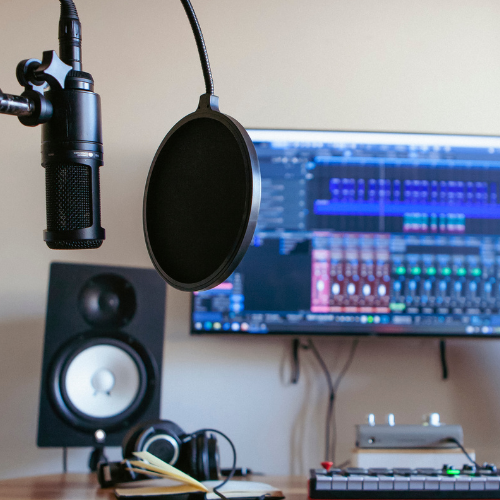

1. Computer (Your Studio Hub)
Your computer is the center of your recording setup.
-
Laptop or desktop (both work)
-
Stable performance and enough storage
-
Quiet operation to avoid background noise
Reliability matters more than having the latest model.
2. Digital Audio Workstation (DAW)
A DAW is the software where recording and production happen.
-
Record vocals and instruments
-
Edit and arrange tracks
-
Mix and export final songs
Choose one DAW and learn it deeply—workflow beats complexity.
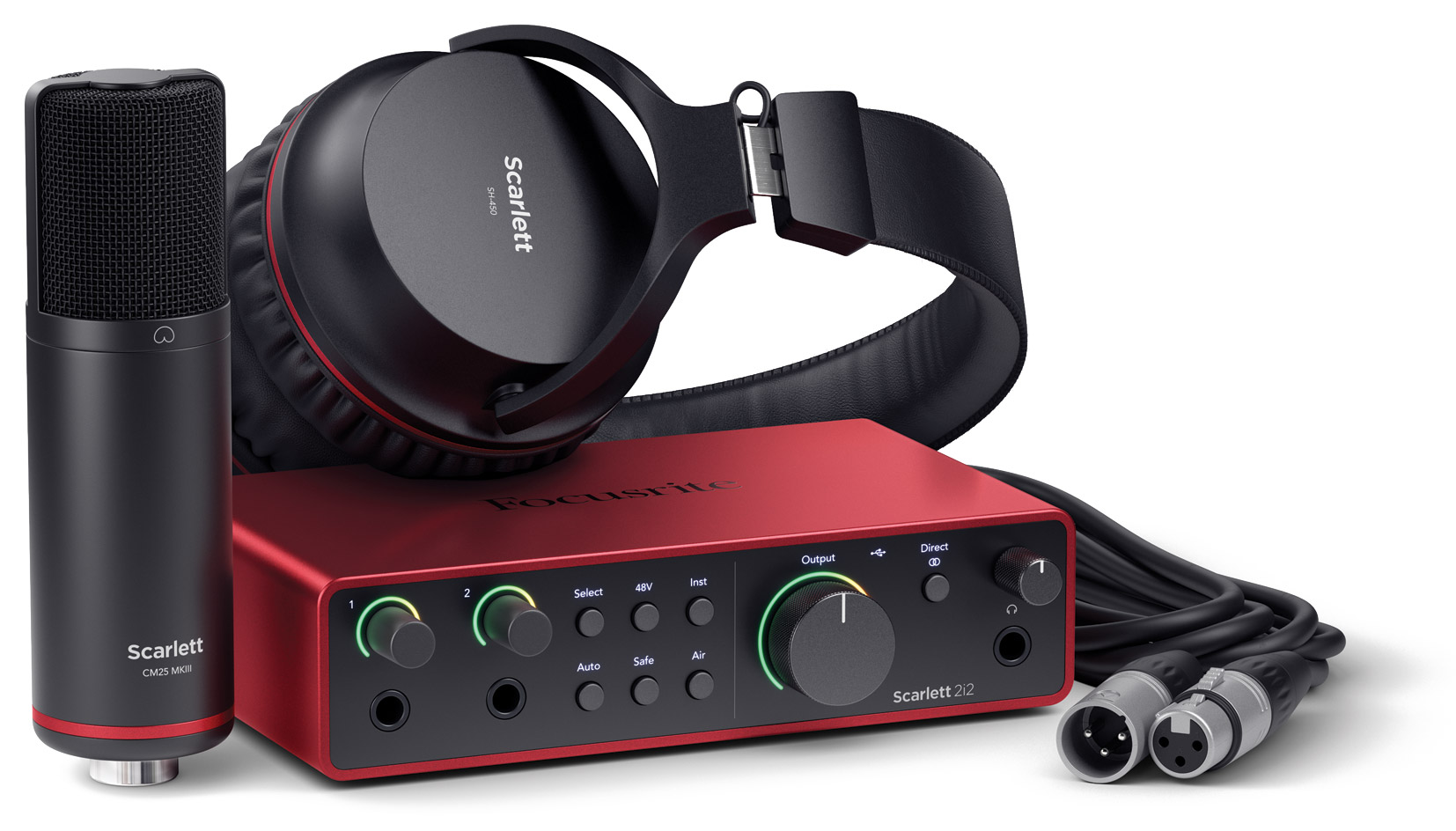
3. Audio Interface
The audio interface connects your instruments and microphone to your computer.
-
Converts sound into digital signal
-
Controls input levels
-
Provides cleaner sound than built-in computer inputs
This is one of the most important investments in your setup.
4. Microphone
Your microphone captures the performance.
-
Condenser microphones: detailed and clear (best in treated rooms)
-
Dynamic microphones: durable and forgiving (great for untreated spaces)
Start with one quality microphone and master its use.
5. Headphones (Closed-Back)
Headphones are essential for recording.
-
Prevent sound leakage into the mic
-
Allow accurate monitoring
-
Useful for late-night sessions
Closed-back headphones are best for tracking vocals.
6. Microphone Stand and Pop Filter
These accessories improve recording quality instantly.
-
Stand keeps mic stable and positioned correctly
-
Pop filter reduces harsh “P” and “S” sounds
Small tools, big impact.
7. Cables and Connections
Often overlooked but critical.
-
XLR cable for microphone
-
USB or Thunderbolt cable for interface
-
Power cables and adapters
Always use reliable cables to avoid noise and signal loss.
8. Basic Acoustic Treatment
You don’t need a perfect room—just control reflections.
-
Curtains, carpets, cushions
-
Clothes racks or foam panels
-
Avoid bare walls and corners
Room control improves recordings more than expensive plugins.
9. Studio Monitors (Optional but Recommended)
Speakers help you hear your music accurately.
-
Useful for mixing and balancing
-
Complements headphones
-
Not essential at the start, but valuable long-term
Learn your monitors before trusting them fully.
10. Backup and File Organization
Professional habits matter.
-
External hard drive or cloud backup
-
Clear file naming
-
Organized session folders
Protecting your work is part of the process.
Final Thoughts
Essential recording equipment is about function, clarity, and consistency—not price tags. With the right foundation, you can produce high-quality music from home and grow your setup over time as your skills develop.
If you want, I can:
-
Build a starter equipment list by budget
-
Recommend gear for vocals, rap, bands, or podcasts
-
Create a step-by-step home studio setup plan
Related posts
How To Improve Your Rap Voice
How to Improve Your Rap Voice Improving your rap voice is a mix of technique, conditioning, and artis …

Techniques To Get Perfect Vocals
Techniques To Get Perfect Vocals Perfect vocals don’t come from plugins alone—they come from preparat …

Vella Emard
Unde sit aut inventore veniam eos ex rerum perferendis. Eveniet et dolorem similique impedit harum sed. Enim sed recusandae laboriosam hic voluptates similique exercitationem. Aliquam laborum earum qui ut facilis doloribus deserunt.
Itaque pariatur occaecati quo eum sed. Rerum laudantium qui harum ab nobis. Dolorem assumenda sit qui officiis consequatur.
Nihil quis nemo esse autem voluptas autem. Est in possimus inventore illum voluptatibus impedit et.