Smart speakers have transformed the way people experience music, podcasts, and audio content. No longer limited to traditional hi-fi systems or headphones, listeners now consume sound through AI-powered devices designed for convenience, accessibility, and everyday use. This shift has significantly changed both the quality of listening and how audio is produced.

From Active Listening to Ambient Sound
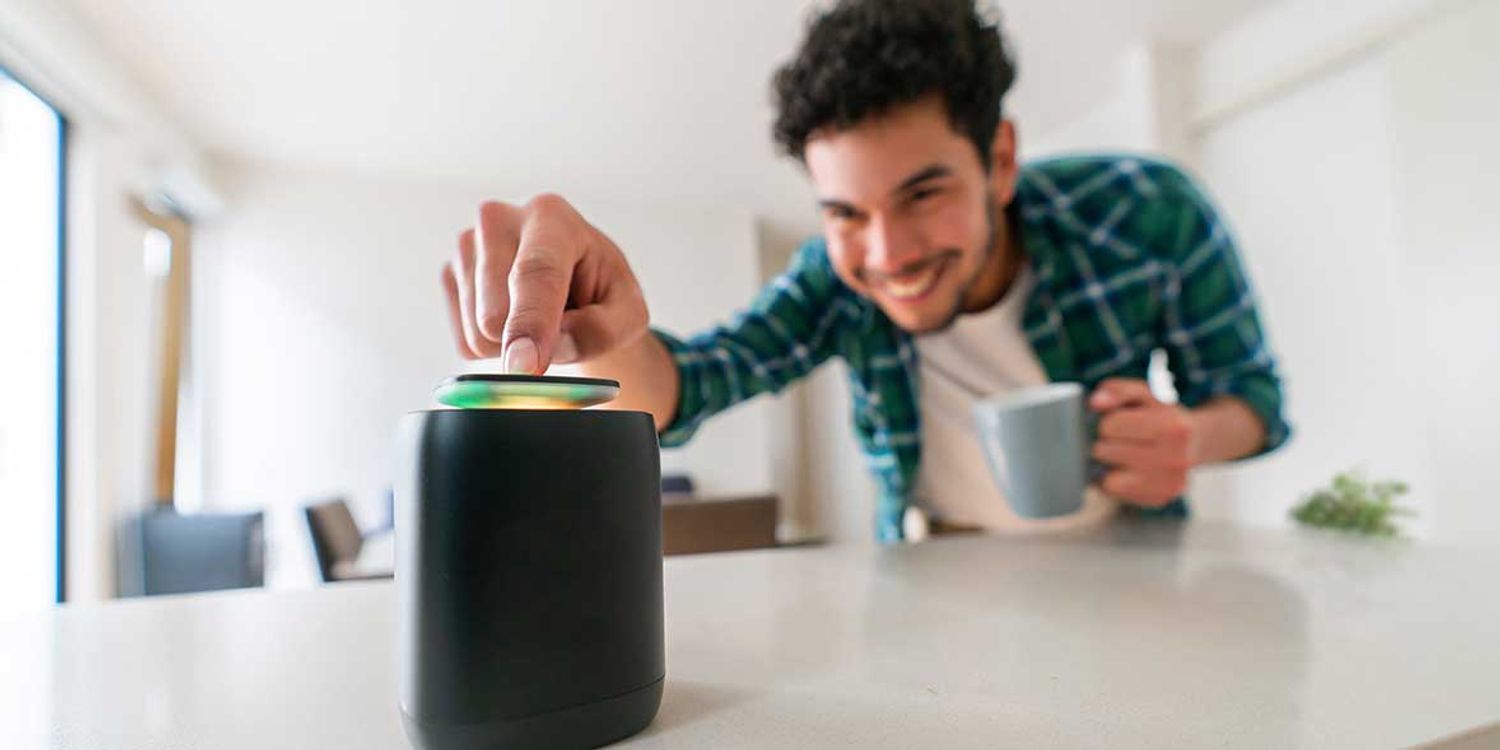
One of the biggest changes smart speakers introduced is passive listening. Music is often played in the background while people cook, work, or relax. This has shifted listening from a focused activity to a constant presence in daily life.
As a result:
-
Music is consumed for mood and atmosphere
-
Subtle details matter less than overall balance
-
Consistency across volumes becomes critical
Sound Quality vs Convenience
Smart speakers prioritize ease of use over pure audio fidelity.
Strengths
-
Clear midrange for vocals and speech
-
Automatic volume adjustment
-
Room-filling sound from compact designs
Limitations
-
Limited bass compared to large speakers
-
Compressed audio sources
-
Less stereo separation in smaller units
The listening experience is optimized for clarity and comfort rather than studio-level precision.
How Smart Speakers Shape Music Production
Because millions of listeners use smart speakers daily, producers and engineers now mix with these devices in mind.
-
Vocals must stay clear at low volumes
-
Bass is tightened to avoid distortion
-
Overly wide mixes are reduced for mono compatibility
Modern mixes are designed to translate well whether played on a phone, a car system, or a smart speaker.
Voice Control Changes Engagement
Voice commands have removed physical interaction from listening. Users no longer search manually—they ask.
This impacts:
-
Song discovery through verbal requests
-
Preference for simple, memorable titles
-
Increased use of playlists over albums
Listening becomes faster, more intuitive, but also less deliberate.
Personalization and AI Enhancement
Smart speakers use artificial intelligence to learn user habits.
-
Music recommendations adapt to mood and time of day
-
Volume and EQ adjust automatically
-
Listening becomes personalized without manual setup
While this improves comfort, it also means listeners hear music through algorithm-driven filters, not neutral playback systems.
The Social Aspect of Listening
Smart speakers have reintroduced shared listening in homes.
-
Music becomes communal again
-
Background playlists replace individual headphones
-
Audio fits into social spaces naturally
This changes how people emotionally connect with sound—less isolated, more collective.
Challenges for Audiophiles
For critical listeners, smart speakers are not replacements for high-end systems. They trade depth, detail, and accuracy for simplicity. However, they have expanded access to audio content and normalized listening in everyday environments.
Conclusion
Smart speakers have reshaped listening quality by redefining what “good sound” means. Instead of perfection, the focus is on clarity, consistency, and convenience. They influence not only how people listen, but how music is mixed, released, and experienced.
In today’s world, sound isn’t just heard—it’s integrated into life.
If you want, I can:
-
Adapt this post for a tech or music blog
-
Rewrite it in a shorter, SEO-focused version
-
Connect it to how artists should mix for smart speakers
Related posts

How To Improve Your Rap Voice
How to Improve Your Rap Voice Improving your rap voice is a mix of technique, conditioning, and artis …

Techniques To Get Perfect Vocals
Techniques To Get Perfect Vocals Perfect vocals don’t come from plugins alone—they come from preparat …