
An excellent vocal warm-up is the foundation of strong, controlled, and healthy vocals. Whether you sing, rap, record in the studio, or perform live, warming up correctly prepares your voice for power, clarity, and endurance. Skipping this step can lead to tension, poor tone, and even vocal damage.


Why Vocal Warm-Ups Matter
Your voice is a muscle system, not a switch. Warming up:
-
Increases vocal flexibility
-
Improves pitch control and tone
-
Reduces strain and fatigue
-
Enhances confidence and performance
A good warm-up doesn’t tire the voice—it activates it.
Step 1: Body and Breathing Activation
Before making sound, prepare the body.
-
Roll shoulders and neck gently
-
Release jaw tension with slow movements
-
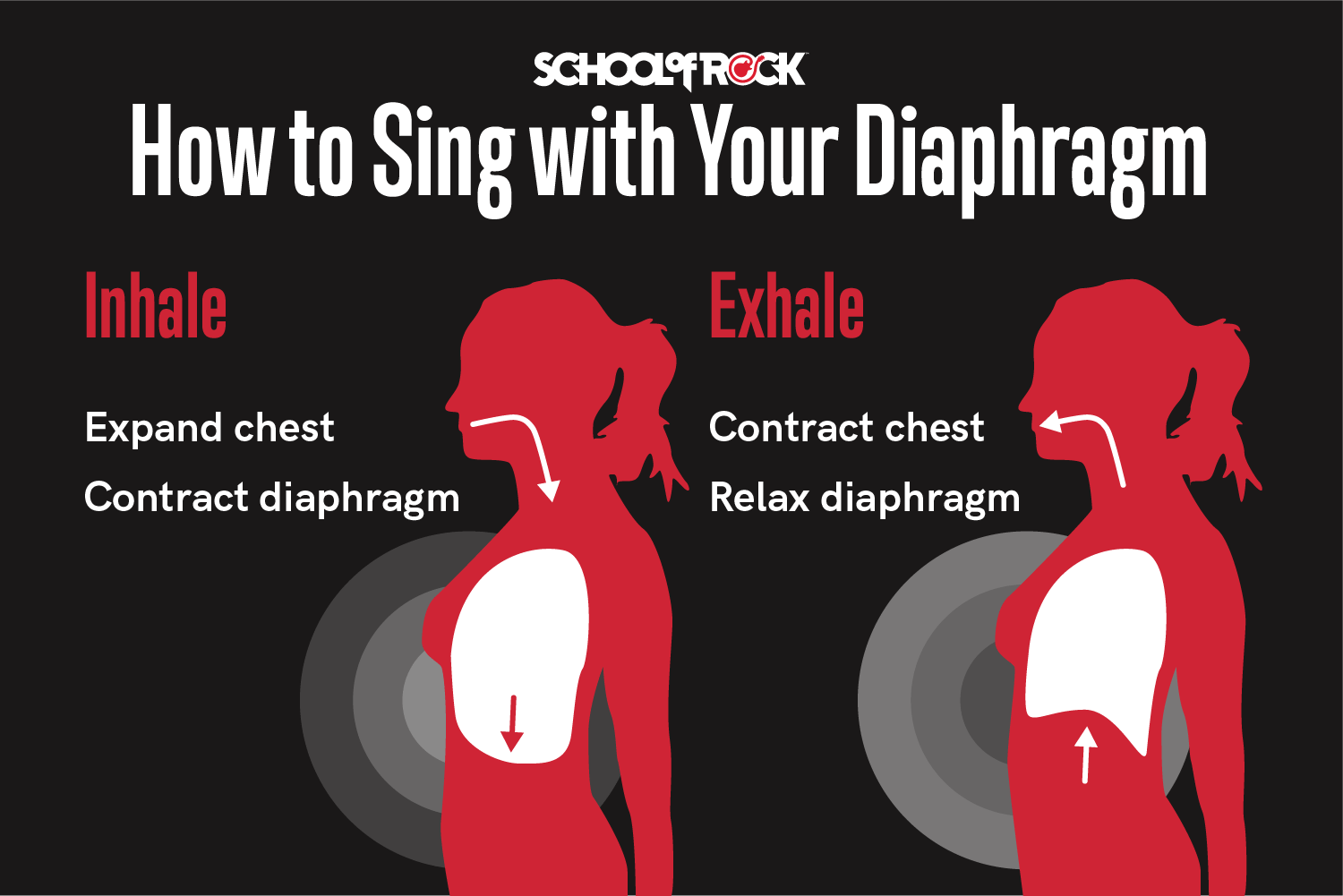
Take deep breaths from the diaphragm
Relaxation allows sound to flow freely.
Step 2: Gentle Sound Activation
Start softly to wake up the vocal cords.
-
Humming at a comfortable pitch
-
Lip trills (brrr sounds)
-
Light “mmm” sounds
These exercises warm the voice without stress.
Step 3: Breath Control Exercises
Breath is vocal power.
-
Inhale slowly through the nose
-
Exhale on a controlled “sss” or “zzz”
-
Maintain steady airflow
This improves support and vocal stability.
Step 4: Range and Flexibility
Gradually expand your vocal range.
-
Sirens (low to high, high to low)
-
Gentle scales using vowels
-
Avoid pushing high notes
The goal is freedom, not force.
Step 5: Articulation and Clarity
Prepare your diction and delivery.
-
Tongue twisters at slow speed
-
Exaggerated consonants
-
Clear vowel shaping
This is especially important for rap, fast lyrics, and studio recording.
Step 6: Style-Specific Warm-Up
Match the warm-up to your genre.
-
Soft dynamics for emotional songs
-
Rhythmic patterns for rap and urban music
-
Controlled power for high-energy performances
Warm up how you plan to perform.
Common Warm-Up Mistakes
Avoid these errors:
-
Singing too loud too early
-
Skipping breathing exercises
-
Forcing high or aggressive notes
-
Warming up for too long
10–15 minutes is usually enough.
When to Warm Up
Always warm up:
-
Before recording
-
Before rehearsals
-
Before live shows
Even short sessions benefit from a proper warm-up.
Final Thoughts
An excellent vocal warm-up is not optional—it’s professional technique. It protects your voice, improves sound quality, and helps you perform with confidence and control. Treat your warm-up as part of your craft, not an afterthought.
If you want, I can:
-
Create a 10-minute daily vocal warm-up routine
-
Adapt this warm-up for rap, singing, or studio vocals
-
Design a pre-show vocal preparation plan
Related posts

How To Improve Your Rap Voice
How to Improve Your Rap Voice Improving your rap voice is a mix of technique, conditioning, and artis …

Techniques To Get Perfect Vocals
Techniques To Get Perfect Vocals Perfect vocals don’t come from plugins alone—they come from preparat …